The digital marketing landscape is experiencing a seismic shift. As artificial intelligence transforms how people search for and consume information, a new discipline is emerging that’s capturing the attention of marketers worldwide: Generative Engine Optimization (GEO).
In 2024, ChatGPT alone surpassed Bing in visitor volume, receiving more than 10 million queries per day, while ChatGPT has exceeded 180 million monthly users, many of whom increasingly rely on it as their primary search tool. More than 58% of Google searches end without a click as AI delivers instant results on the search engine results page (SERP).
While traditional search engines present users with a list of blue links, AI-powered platforms like ChatGPT, Claude, Perplexity, and Bing’s Copilot are fundamentally changing the game by providing direct, synthesized answers to user queries. This transformation isn’t just a technological novelty—it represents a fundamental shift in how brands need to think about visibility, authority, and user engagement in the digital space.
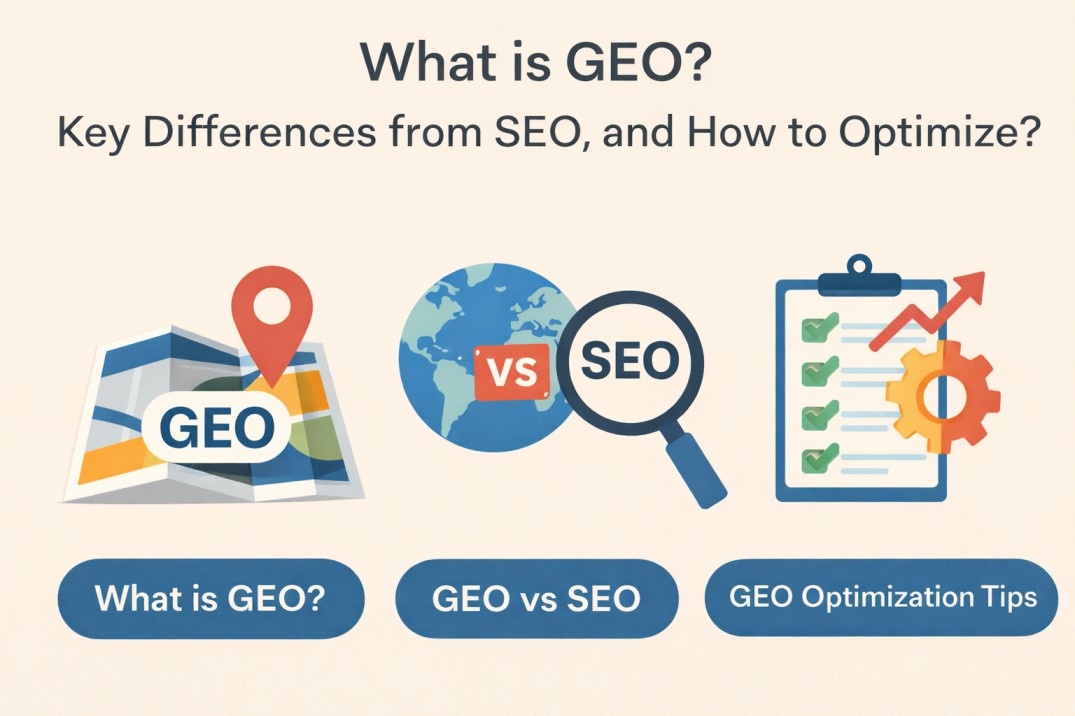
What is Generative Engine Optimization (GEO)?
Generative Engine Optimization (GEO) is the strategic practice of optimizing content and digital presence to increase visibility and favorable representation within AI-generated responses from large language models and AI search engines. Unlike traditional SEO, which focuses on ranking in search results, GEO aims to ensure your brand, products, or services are accurately represented, cited, and recommended when AI systems generate responses to relevant user queries.
GEO encompasses the techniques and strategies used to influence how AI models understand, interpret, and present information about your brand when users ask questions or seek recommendations. This includes optimizing for citation in AI responses, ensuring accurate brand representation, and structuring content in ways that AI systems can easily parse and understand.
The discipline emerged from the recognition that, as more users turn to AI assistants for information, traditional SEO metrics like click-through rates and page rankings become less relevant. Instead, the focus shifts to being the source that AI systems trust, cite, and recommend to users seeking information in your domain.
Current Market Adoption and Statistics
The adoption of GEO strategies is accelerating rapidly across industries. 63% of marketers are now prioritizing generative search optimization in their 2024 content strategies, while 78% of businesses have adjusted their content marketing approach to align with AI-driven search engines.
As of 2025, 71% of Americans use AI to search for information online. Among younger demographics, the shift is even more pronounced: 46% of Gen Z shoppers say they “often” rely on ChatGPT or Perplexity before visiting a website.
Perhaps most significantly for businesses, 58% of users have already replaced traditional search engines with AI-driven tools for product and service discovery, while 63% of websites report traffic coming from AI search. Most importantly, 64% of customers express readiness to purchase products suggested by AI systems.
Research-Backed GEO Effectiveness
Academic research has provided concrete evidence of GEO’s impact. A research paper from Princeton and Georgia Tech found that adding relevant statistics, quotations and citations can boost content visibility in generative engines by up to 40%. This research, published in 2024, established the foundational framework for understanding how AI systems prioritize and cite content.
Analysis of over 1 million AI Overviews revealed that around 40.58% of AI citations come from Google’s top 10 results, demonstrating the continued importance of traditional SEO foundations while highlighting the need for GEO-specific optimizations.
For informational queries, adding citations, quotations, and statistics significantly boosts visibility, aligning with users’ need for credible, detailed answers and enhancing content authority and trustworthiness.
What Are The Examples of GEO?
Understanding GEO becomes clearer when we examine real-world applications and scenarios where it makes a tangible impact. Here are key examples of how GEO manifests in practice:
Brand Mentions in AI Responses: When someone asks ChatGPT about “the best project management tools,” GEO efforts determine whether your software gets mentioned alongside or instead of competitors. Companies that have optimized their digital presence for AI often see their products consistently recommended in AI-generated lists and comparisons.
Expert Attribution: If you’re a financial advisor who has optimized for GEO, when users ask AI systems about retirement planning strategies, your name and expertise might be cited as a source, even when the AI doesn’t directly link to your website. This builds authority and brand recognition.
Recipe and How-To Content: Food bloggers practicing GEO ensure their recipes appear when users ask AI assistants to “suggest a quick dinner recipe” or “how to make gluten-free brownies.” The AI synthesizes their content into responses while potentially attributing the source.
Local Business Recommendations: When users ask AI about “best coffee shops in downtown Seattle,” businesses with strong GEO practices are more likely to be mentioned, described accurately, and recommended based on their optimized online presence.
Technical Documentation: Software companies that structure their documentation for GEO find that when developers ask AI coding questions, their tools and platforms are more frequently suggested as solutions, complete with accurate implementation details.
Medical and Health Information: Healthcare providers and wellness brands optimized for GEO see their evidence-based content referenced when AI systems respond to health-related queries, positioning them as trusted sources in their field.
Educational Content: Universities and educational platforms with strong GEO see their courses, research, and expertise cited when AI systems respond to learning-related queries, expanding their reach beyond traditional search.
What is the Difference Between GEO and SEO?
While GEO and SEO share fundamental goals of increasing online visibility and authority, they operate in distinctly different environments with unique challenges and opportunities.
Search Results vs. Direct Answers: Traditional SEO focuses on ranking web pages within search engine results pages (SERPs), where users click through to websites. GEO, conversely, optimizes for inclusion in AI-generated responses where users receive direct answers without necessarily visiting the source website. This represents a fundamental shift from driving traffic to building authority and brand recognition.
Ranking Algorithms vs. Language Model Training: SEO professionals optimize for known ranking factors like backlinks, page speed, and keyword density that influence algorithmic rankings. GEO practitioners must understand how language models are trained, what data sources they prioritize, and how they synthesize information from multiple sources into coherent responses.
Click-Through Rates vs. Citation Rates: SEO success is often measured by organic traffic, click-through rates, and conversions from search results. GEO success metrics include citation frequency in AI responses, accuracy of brand representation, and mention context rather than direct website visits.
Dynamic vs. Static Results: Unlike static rankings, LLM answers are regenerated per query, creating fresh opportunities—if your passages are citation-ready. This dynamic nature means GEO requires different optimization strategies than traditional SEO.
Keyword Optimization vs. Concept Optimization: While SEO traditionally focuses on keyword optimization and search term targeting, GEO requires optimizing for concepts, topics, and semantic relationships that AI systems can understand and connect across different contexts.
Link Building vs. Authority Building: SEO relies heavily on backlink profiles and domain authority signals that search engines can measure. GEO emphasizes building topical authority and expertise that AI systems recognize as credible, which may not always correlate with traditional link metrics.
Technical Implementation: SEO technical optimization focuses on crawlability, indexing, and page performance for search engine bots. GEO technical considerations include structured data that AI can easily parse, content formatting that supports AI comprehension, and ensuring information accuracy across all digital touchpoints.
How is GEO Similar to SEO?
Despite their differences, GEO and SEO share several fundamental principles and strategies that make them complementary rather than competing disciplines.
Content Quality Remains King: Both GEO and SEO prioritize high-quality, valuable content that serves user needs. Whether optimizing for search engines or AI systems, authoritative, well-researched content forms the foundation of success. Recent studies on generative AI and LLMs in search engines have found that enhancing E-E-A-T signals can significantly improve visibility in AI results and overall SEO rankings.
User Intent Focus: Both approaches require deep understanding of user intent and the creation of content that satisfies specific information needs. Whether someone is searching Google or asking ChatGPT, they’re seeking solutions to problems or answers to questions.
Technical Foundation: Both GEO and SEO benefit from solid technical foundations including fast-loading websites, mobile optimization, and proper content structure. These technical elements help both search engines and AI systems better understand and process your content.
Authority and Credibility: Building domain expertise and establishing credibility within your niche benefits both traditional search rankings and AI recognition. Consistent, expert-level content creation and thought leadership serve both disciplines.
Structured Data Implementation: Schema markup and structured data that help search engines understand your content also provide clear signals to AI systems about your business, products, and services.
Content Optimization: The practice of creating comprehensive, well-organized content that thoroughly addresses topics serves both SEO and GEO objectives. Long-form content that covers topics in depth tends to perform well in both contexts.
Brand Building: Strong brand presence and recognition contribute to success in both traditional search and AI-generated responses. Brands with consistent messaging and strong online presence tend to be recognized and referenced by both search engines and AI systems.
Why is GEO Important?
The importance of GEO stems from fundamental shifts in how people access and consume information, creating new opportunities and risks for businesses across all industries.
Changing User Behavior: In 2025, brands can no longer rely on traditional keyword-driven SEO to stay visible. Generative Engine Optimization (GEO) is now essential to secure citations in AI-powered answers and drive increased revenue and mindshare from LLMs. This shift is particularly pronounced among younger demographics and professionals seeking quick, synthesized answers rather than multiple source comparisons.
Zero-Click Future: As AI provides direct answers to user queries, the traditional model of driving traffic to websites is being disrupted. Businesses that fail to optimize for AI visibility risk becoming invisible to users who never click through to source websites. GEO ensures your brand remains visible in this zero-click environment.
Authority and Trust Building: When AI systems consistently cite and reference your content, it builds authority and trust with users who may never visit your website directly. This indirect brand building can be more powerful than traditional advertising because it positions you as an expert source rather than a promotional entity.
Competitive Advantage: Early adoption of GEO strategies provides significant competitive advantages. Businesses that establish strong AI visibility now will be better positioned as these technologies become more prevalent. Being an early mover allows you to influence how AI systems understand and represent your industry.
Future-Proofing: As AI integration deepens across all digital platforms, from search engines to voice assistants to specialized business tools, having a foundation in GEO ensures your business remains discoverable across multiple AI-powered touchpoints.
Global Reach: AI systems can synthesize and translate information across languages and cultures, potentially giving well-optimized content global reach that exceeds traditional SEO boundaries. This creates opportunities for businesses to extend their influence beyond their typical geographic or linguistic markets.
What are the Benefits of GEO?
Implementing effective GEO strategies delivers both immediate and long-term benefits that can transform how your brand is perceived and discovered online.
Enhanced Brand Authority: When AI systems consistently reference your content and expertise, it positions your brand as a thought leader and trusted source within your industry. This authority extends beyond direct citations to influence overall brand perception and credibility.
Increased Reach Without Traffic: GEO allows your content and expertise to reach users who may never visit your website directly. This extended reach can build brand awareness and influence purchase decisions even when users don’t immediately convert through traditional channels.
Cost-Effective Visibility: Unlike paid advertising, which requires ongoing investment, GEO builds organic visibility that can generate long-term returns. Once established, AI systems may continue referencing your content across numerous user interactions without additional costs.
Improved Content ROI: Content optimized for GEO often serves multiple purposes, benefiting both traditional SEO and AI visibility. This dual optimization maximizes the return on content creation investments and extends content lifecycle value.
Competitive Differentiation: In industries where many companies offer similar products or services, GEO can provide crucial differentiation by ensuring your brand is the one AI systems recommend or reference. This can be particularly valuable in crowded markets.
Revenue Impact: With 64% of customers expressing readiness to purchase products suggested by AI systems, effective GEO can directly influence purchase decisions and drive revenue growth.
Crisis Management: Strong GEO practices ensure that AI systems have access to accurate, up-to-date information about your brand, products, and services. This can be crucial for managing brand reputation and ensuring accurate representation during challenging times.
How Does Generative Engine Optimization Work?
Understanding how GEO works requires examining the intersection between content strategy, technical implementation, and AI system behavior. The process involves several key mechanisms that work together to influence AI-generated responses.
Content Structure and Formatting: AI systems parse content more effectively when it’s well-structured with clear headings, logical flow, and semantic markup. Content should be organized in a way that allows AI to easily extract key facts, concepts, and relationships. This includes using proper heading hierarchies, bullet points for lists, and clear topic sentences that summarize key points.
Factual Accuracy and Verification: AI systems increasingly prioritize content that demonstrates factual accuracy and can be verified against multiple sources. This means ensuring all claims are supported by evidence, statistics are current and properly sourced, and information aligns with authoritative sources in your field.
Expertise Demonstration: GEO requires demonstrating genuine expertise through comprehensive topic coverage, technical accuracy, and insights that go beyond surface-level information. AI systems appear to recognize and prioritize content that shows deep subject matter expertise over generic or shallow treatments of topics.
Citation and Source Enhancement: Supporting claims and statements with quotes from trusted sources like thought leaders, studies, or timely statistics significantly improves GEO performance. The Princeton research specifically highlighted the 40% visibility boost from incorporating relevant citations and statistics.
Cross-Platform Consistency: Maintaining consistent information across all digital platforms helps AI systems understand and verify your brand information. This includes ensuring that business details, product descriptions, and key messages are aligned across your website, social media profiles, directories, and other online presences.
Semantic Relationships: AI systems understand concepts and relationships between ideas rather than just keywords. Effective GEO involves creating content that demonstrates clear relationships between concepts, uses related terminology naturally, and provides context that helps AI systems understand how your content fits within broader topic areas.
Source Authority Signals: While different from traditional SEO signals, GEO benefits from various authority indicators, including author expertise, content depth, citation from other sources, and consistency with facts in your industry.
Advanced GEO Strategies for 2025
Based on current research and industry developments, several advanced strategies are emerging as particularly effective:
Multi-Modal Content Optimization: As AI systems become more sophisticated in processing images, videos, and audio content alongside text, optimizing multimedia content becomes crucial. This includes using descriptive alt text, video transcripts, and structured data for media files.
Real-Time Information Integration: AI systems are increasingly incorporating real-time data. Keeping content current and implementing systems for rapid content updates can improve AI visibility for time-sensitive topics.
Conversational Query Optimization: With answer-first user behavior becoming prevalent, optimizing content to directly answer conversational queries and follow-up questions improves AI citation rates.
Industry-Specific AI Platform Targeting: Different AI platforms serve different user bases and use cases. Tailoring GEO strategies for specific platforms (ChatGPT for general queries, Perplexity for research, etc.) can improve targeted visibility.
How To Optimize Your Brand for AI-Driven Search?
Optimizing your brand for AI-driven search requires a systematic approach that addresses content, technical, and strategic considerations. Here’s a comprehensive framework for implementation:
Audit Your Current Digital Presence: Begin by evaluating how your brand currently appears in AI-generated responses. Test various AI systems with queries related to your industry, products, and services to understand your current visibility and representation. Document any inaccuracies or gaps in how AI systems understand your brand.
Develop Comprehensive Topic Authority: Create in-depth content that thoroughly covers topics within your expertise. Rather than producing many shallow pieces, focus on comprehensive resources that demonstrate deep knowledge and provide genuine value. This includes creating definitive guides, detailed case studies, and thought leadership pieces that establish your expertise.
Implement Enhanced Citation Strategies: Based on the Princeton research showing 40% visibility improvements, systematically add relevant statistics, expert quotes, and authoritative citations to your content. Ensure all claims are properly sourced and verifiable.
Optimize for Natural Language Queries: Develop content that answers questions the way people naturally ask them. This includes creating FAQ sections, writing in conversational tones, and addressing the long-tail, specific questions that users typically ask AI assistants. Consider the context and follow-up questions that might arise from initial queries.
Implement Structured Data Markup: Use schema markup and structured data to help AI systems better understand your content. This includes marking up business information, product details, reviews, FAQs, and other content types that AI systems commonly reference. Proper markup makes it easier for AI to extract and utilize your information accurately.
Build Cross-Platform Authority: Establish consistent expertise across multiple platforms, including industry publications, podcasts, webinars, and professional networks. AI systems often synthesize information from multiple sources, so having a strong presence across various authoritative platforms increases the likelihood of citation and reference.
Monitor and Iterate: Regularly test AI systems with relevant queries to monitor how your brand is represented. Track changes in citations, accuracy of information, and context of mentions. Use this feedback to refine your content strategy and address any misrepresentations or gaps in coverage.
Focus on Accuracy and Verification: Ensure all published information is accurate, current, and verifiable. AI systems increasingly cross-reference information across sources, so inaccuracies can harm your credibility. Regularly audit and update content to maintain accuracy and relevance.
Measuring GEO Success
Traditional web analytics aren’t sufficient for measuring GEO effectiveness. New metrics and methodologies are emerging:
Citation Tracking: Monitor how frequently and in what context your brand, products, or expertise are mentioned in AI responses across different platforms.
Brand Mention Sentiment: Analyze the sentiment and context of AI-generated mentions to ensure positive brand representation.
Query Coverage: Track the breadth of topics and queries for which AI systems cite your content, indicating topical authority expansion.
Accuracy Monitoring: Regularly verify that AI systems are representing your brand, products, and information accurately.
Competitive Analysis: Monitor competitor mentions and citations to identify opportunities and threats in AI visibility.
What is the Future of Generative Engine Optimization?
The future of GEO is intrinsically linked to the rapid evolution of AI technology and changing user behaviors around information consumption. Several key trends are shaping this future landscape:
AI Integration Across Platforms: As AI capabilities become integrated into more platforms beyond standalone chatbots, GEO will need to address optimization for voice assistants, smart displays, automotive systems, and IoT devices. This expansion will require understanding how different AI implementations prioritize and present information.
Personalization and Context: Future AI systems will likely provide increasingly personalized responses based on user history, preferences, and context. GEO strategies will need to consider how to remain visible across diverse personalization algorithms while maintaining consistent brand messaging.
Real-Time Information Integration: As AI systems become better at accessing and incorporating real-time information, GEO will need to address how to optimize for dynamic content and ensure that current information takes precedence over outdated content in AI responses.
Multimodal Optimization: Future AI systems will increasingly incorporate images, videos, audio, and other media types in their responses. GEO practitioners will need to optimize across multiple content formats and understand how AI systems evaluate and present multimedia content.
Industry-Specific AI Tools: As specialized AI tools emerge for different industries, GEO strategies will need to be tailored for vertical-specific platforms. A healthcare provider’s GEO strategy will differ significantly from an e-commerce retailer’s approach as industry-specific AI tools become more prevalent.
Regulatory and Ethical Considerations: As AI becomes more influential in information dissemination, regulatory frameworks around AI transparency, bias, and accuracy will likely impact GEO practices. Future strategies will need to balance optimization with ethical considerations and regulatory compliance.
Advanced Analytics and Attribution: New tools and metrics will emerge to measure GEO effectiveness, moving beyond traditional web analytics to encompass AI citation rates, sentiment analysis of AI-generated content, and brand authority scores across AI systems.
Is GEO Replacing SEO?
The relationship between GEO and SEO is complementary rather than competitive, with both disciplines serving important but distinct functions in a comprehensive digital marketing strategy.
SEO Remains Fundamental: Traditional search engines still drive massive amounts of web traffic and remain crucial for many businesses. Google processes billions of searches daily, and optimizing for traditional search results continues to provide significant value. The fact that 40.58% of AI citations come from Google’s top 10 results demonstrates that SEO fundamentals still matter for GEO success.
Different User Journeys: SEO and GEO serve different stages of the user journey and different user preferences. Some users prefer to research multiple sources and compare options, making traditional search results valuable. Others prefer synthesized answers and recommendations, making GEO crucial for reaching these users.
Synergistic Benefits: Many GEO best practices align with and strengthen SEO efforts. High-quality, authoritative content benefits both disciplines. Technical optimizations like structured data markup serve both traditional search engines and AI systems. Brand authority building supports both SEO rankings and AI recognition.
Evolving Search Landscape: Rather than replacement, we’re seeing evolution and integration. Google has incorporated AI-powered features into search results, and other search engines are following suit. This hybrid approach means that successful digital marketing strategies need to address both traditional search optimization and AI optimization.
Resource Allocation: Organizations should view GEO and SEO as complementary investments rather than competing priorities. The skills, tools, and strategies used in SEO provide a strong foundation for GEO implementation, making the transition more of an expansion than a complete shift.
Long-Term Perspective: While AI-driven search is growing rapidly, the transition will likely be gradual rather than immediate. Businesses that maintain strong SEO practices while building GEO capabilities will be best positioned for success regardless of how the search landscape evolves.
The Business Case for GEO Investment
The data strongly supports immediate investment in GEO capabilities:
- 63% of marketers are prioritizing generative search optimization
- 58% of users have replaced traditional search engines with AI tools for product discovery
- Up to 40% visibility improvement from proper GEO implementation
- ChatGPT processing over 10 million queries daily
These statistics indicate that GEO is not a future consideration but a present necessity for maintaining competitive visibility.
Conclusion
The most successful digital marketing strategies will integrate both GEO and SEO, recognizing that different users have different preferences for how they discover and consume information. Rather than choosing between these approaches, forward-thinking organizations are building capabilities in both areas to maximize their reach and authority across all digital touchpoints.
As the digital landscape continues to evolve, the organizations that thrive will be those that stay ahead of these trends while maintaining excellence in fundamental marketing principles. GEO represents not just a new optimization technique, but a fundamental shift in how brands build authority and connect with audiences in an AI-powered world. With 71% of Americans using AI to search for information online and 64% of customers ready to purchase AI-suggested products, the time for GEO adoption is now, not tomorrow.